missing translation for 'onlineSavingsMsg'
Learn More
Learn More
Invitrogen™ CD44 Monoclonal Antibody (156-3C11)

Descripción
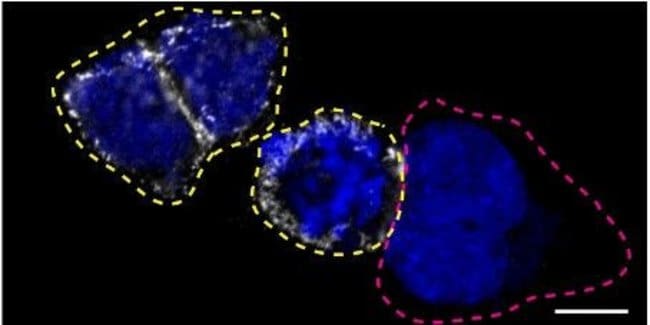
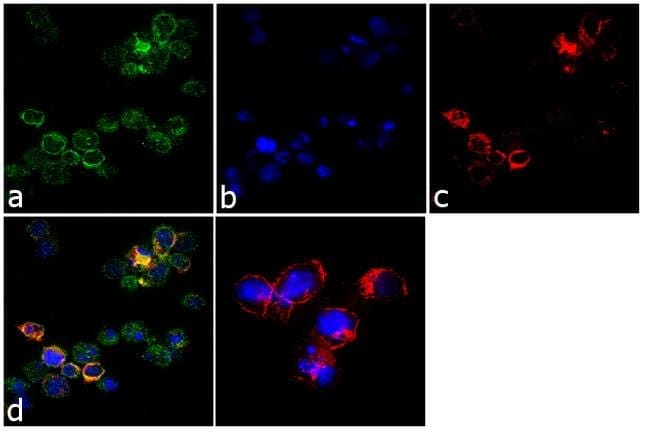
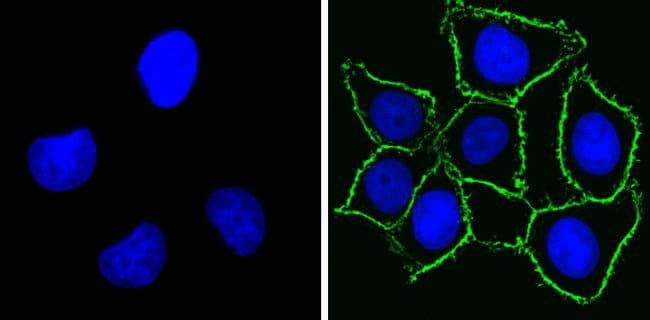
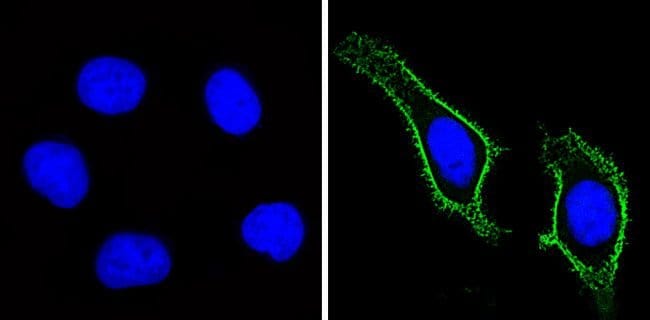
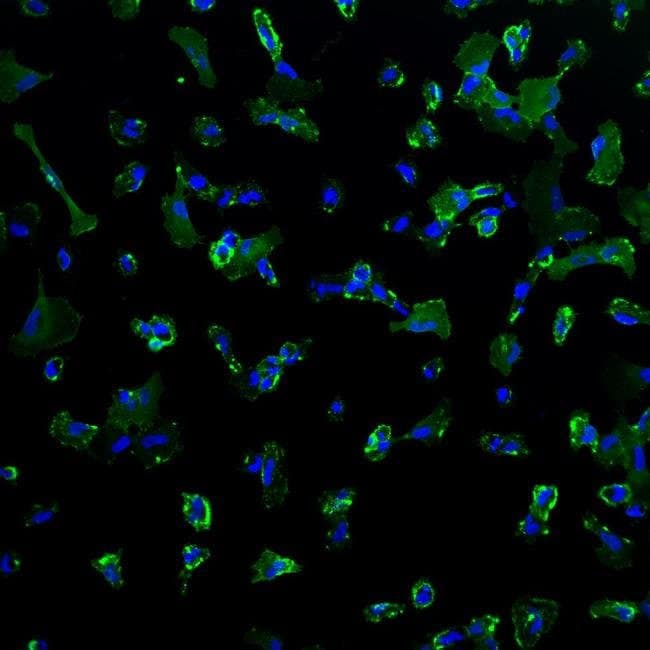
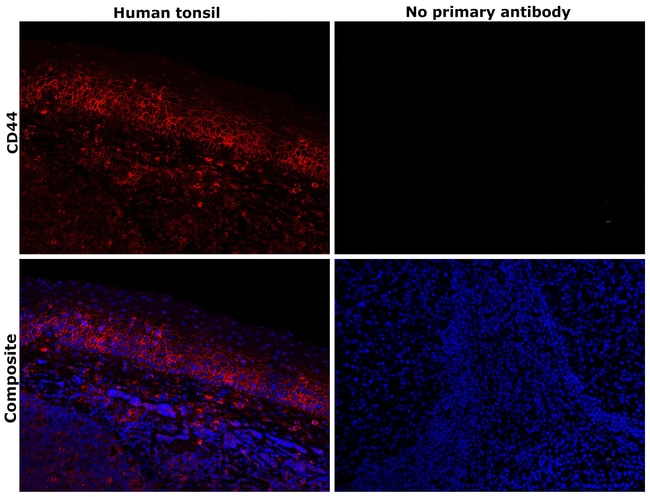
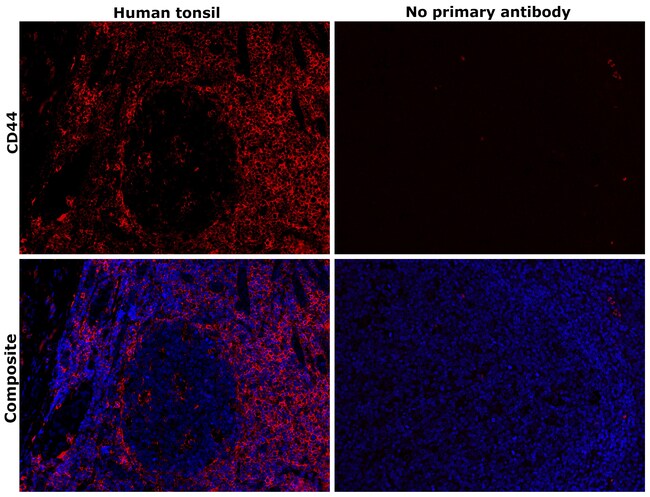
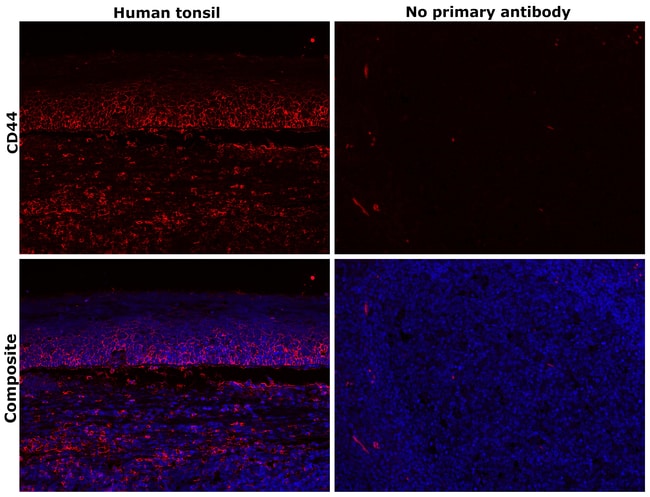
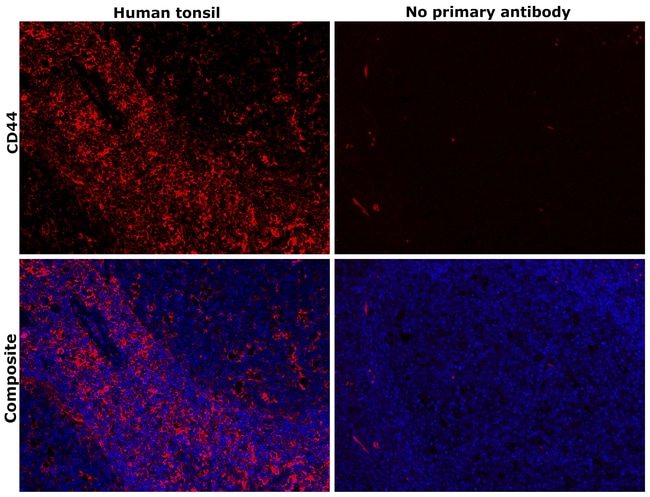
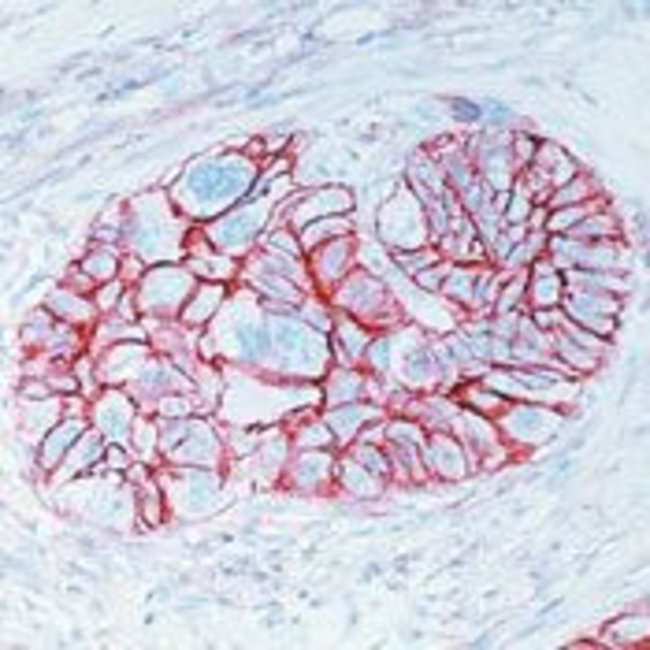
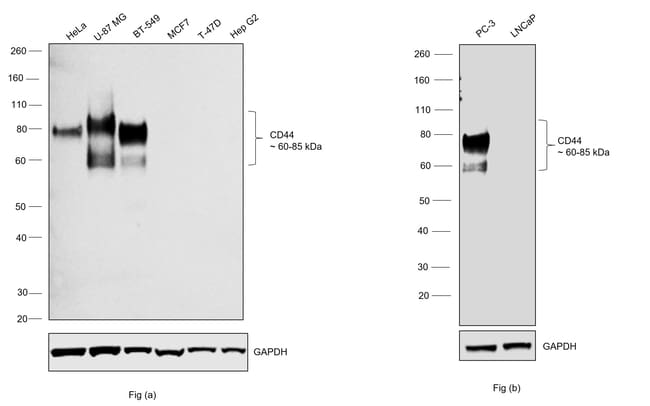
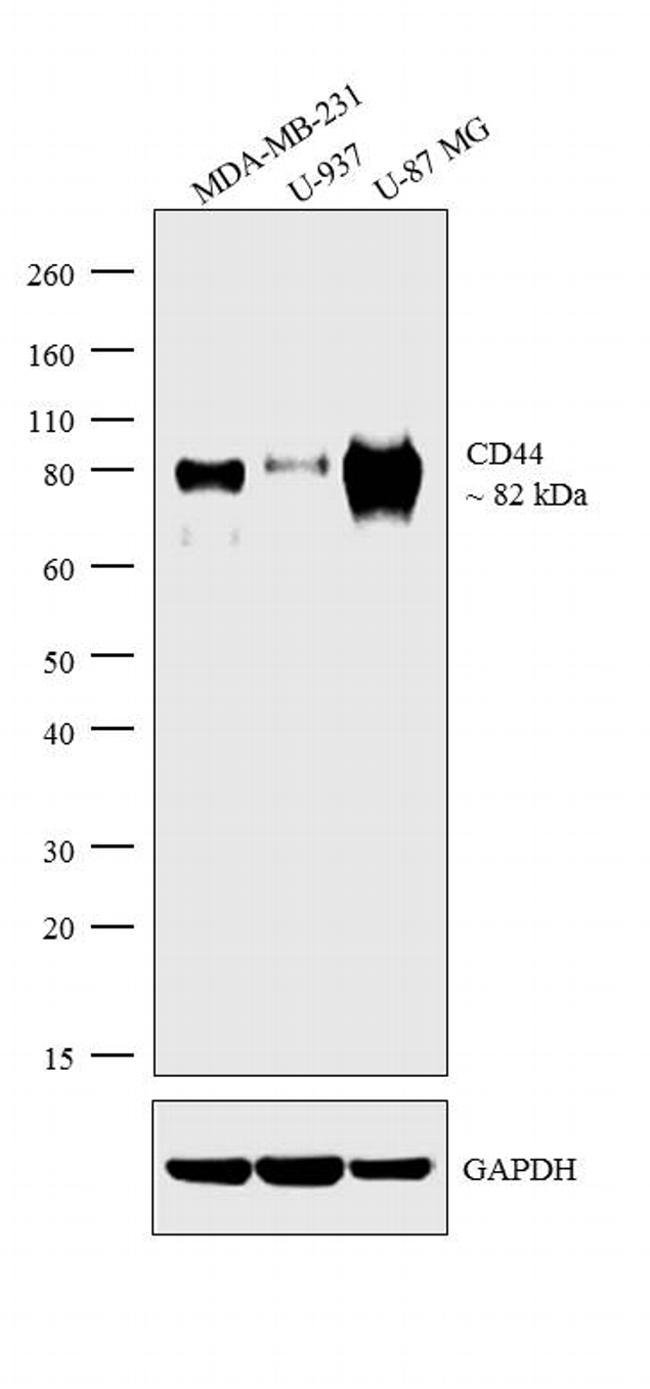
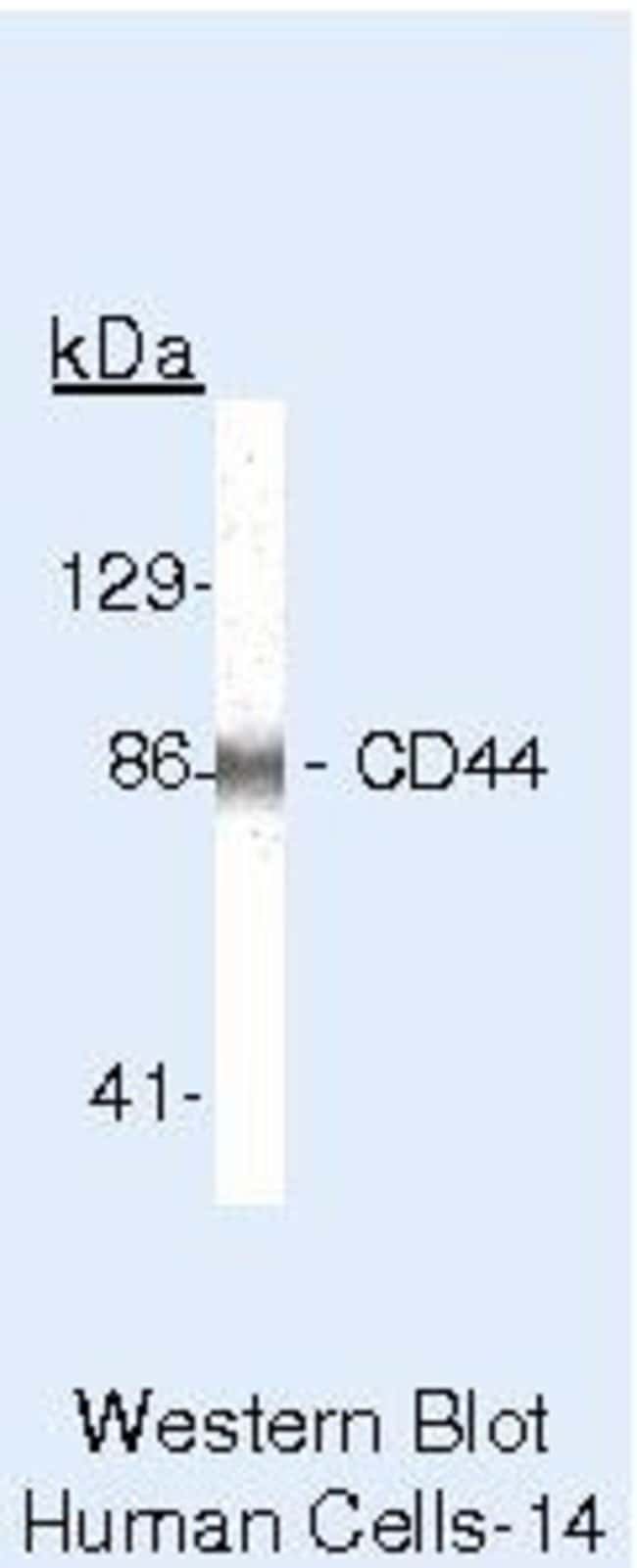
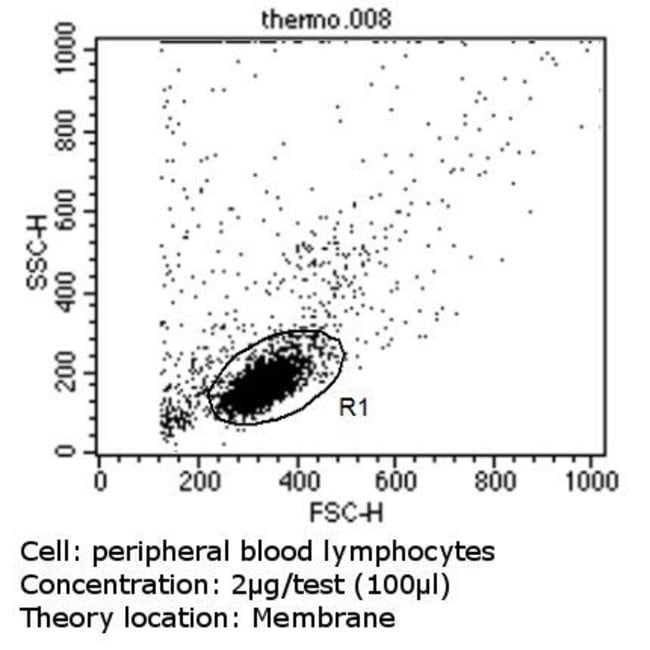
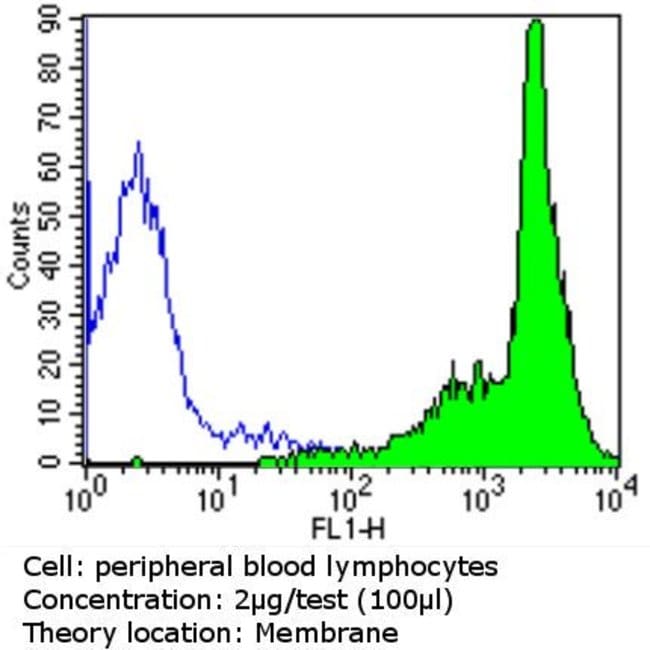
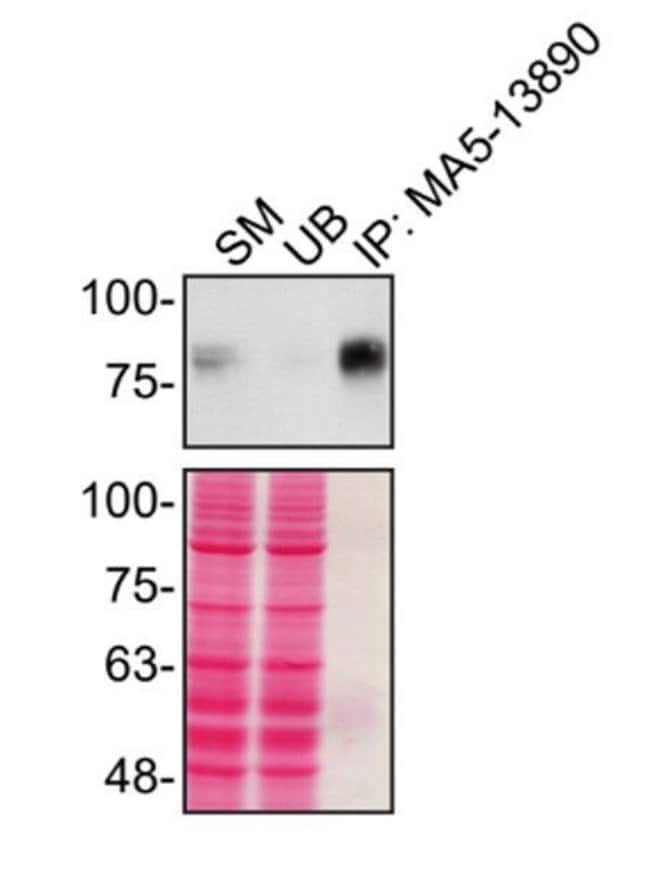
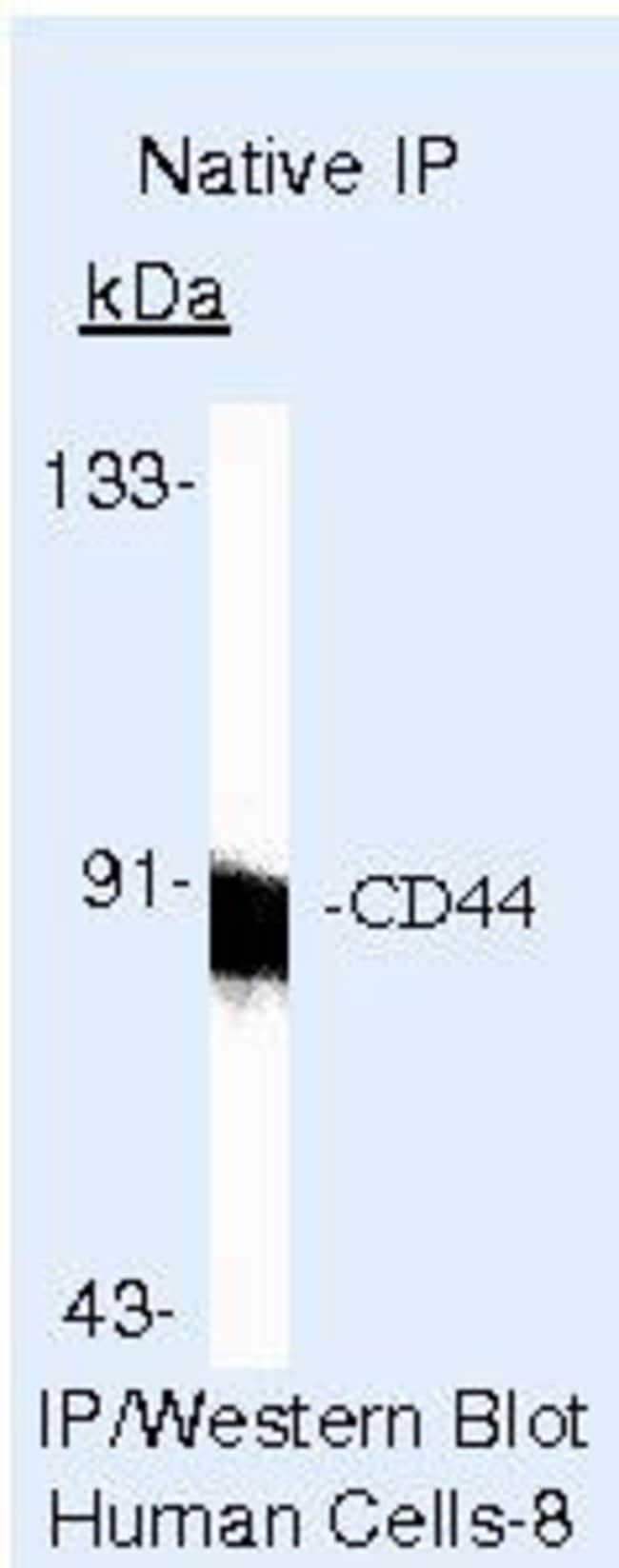
MA5-13890 targets CD44 in FACS, IHC (P), ICC/IF, IP and WB applications and shows reactivity with Human, Baboon and Non-human primate samples. The MA5-13890 immunogen is stimulated human leukocytes. MA5-13890 was used in the immunofluorescence analysis to successfully detect CD44 in human mesenchymal stem cells derived from iPSCs.
CD44 cell surface antigen is a 100 kDa type 1 transmembrane glycoprotein widely expressed on human leucocytes, white matter of the brain and by some epithelial cells of the intestine and breast. Several isoforms of CD44 exist, including the predominant CD44H isoform detected in many normal tissues. CD44 is a receptor for hyaluronic acid (HA) and is involved in cell-cell interactions, cell adhesion and migration. CD44 also participates in a wide variety of cellular functions including lymphocyte activation, recirculation and homing. CD44 expression may be up-regulated upon some carcinomas, and it has been speculated that this may be related to metastatic potential. CD44 is expressed by hematopoietic, non-hematopoietic cells, epithelial tissues, and to filopodia in cultured keratinocytes. Further, bone marrow myeloid cells and memory T cells express CD44 at high levels, and peripheral B and T cells can upregulate the expression of CD44 in response to certain stimulatory events. Transcripts for the CD44 gene undergo complex alternative splicing that results in many functionally distinct isoforms, however, the full-length nature of some of these variants have not been determined. Alternative splicing is the basis for the structural and functional diversity of the CD44 protein. Diseases associated with CD44 dysfunction include superficial keratitis and lichen sclerosus. CD44 also may be related to tumor metastasis formation.

Especificaciones
Especificaciones
| Antígeno | CD44 |
| Aplicaciones | Flow Cytometry, Immunohistochemistry (Paraffin), Immunoprecipitation, Western Blot, Immunocytochemistry |
| Clasificación | Monoclonal |
| Clon | 156-3C11 |
| Concentración | 0.2 mg/mL |
| Conjugado | Unconjugated |
| Formulación | PBS with 0.05% BSA and 0.05% sodium azide; pH 7.4 |
| génica | CD44 |
| N.º de referencia del gen | P16070 |
| Alias de gen | AU023126; AW121933; AW146109; Bovine CD44; CD44; CD44 antigen; CD44 antigen-like protein; CD44 molecule; CD44 molecule (Indian blood group); CD44 protein; CD44 variant; CD44A; CD44-like protein; CDW44; cell surface glycoprotein CD44; Cell surface glycoprotein CD44 (hyaluronate binding protein); cell-surface glycoprotein; chondroitin sulfate proteoglycan 8; CSPG8; ECMRIII; ECMR-III; Epican; extracellular matrix receptor III; extracellular matrix receptor-III; GP90 lymphocyte homing/adhesion receptor; HCELL; hematopoietic cell E- and L-selectin ligand; heparan sulfate proteoglycan; HERMES; Hermes antigen; homing function and Indian blood group system; HUTCH-I; hyaluronan receptor; Hyaluronate receptor; IN; LHR; Ly-24; lymphocyte antigen 24; lymphocyte surface antigen precursor CD44; MC56; MDU2; MDU3; METAA; MIC4; PGP I; Pgp1; PGP-1; PGPI; PGP-I; Phagocytic glycoprotein 1; phagocytic glycoprotein I; putative Bos taurus CD44; RHAMM; sCD 44; sCD44; soluble CD 44; soluble CD44 |
| Mostrar más |
Título del producto
Al hacer clic en Enviar, acepta que Fisher Scientific se ponga en contacto con usted en relación con los comentarios que ha proporcionado en este formulario. No compartiremos su información para ningún otro fin. Toda la información de contacto proporcionada se mantendrá de acuerdo con nuestra Política de Privacidad. Política de privacidad.
¿Detecta una oportunidad de mejora?