Learn More
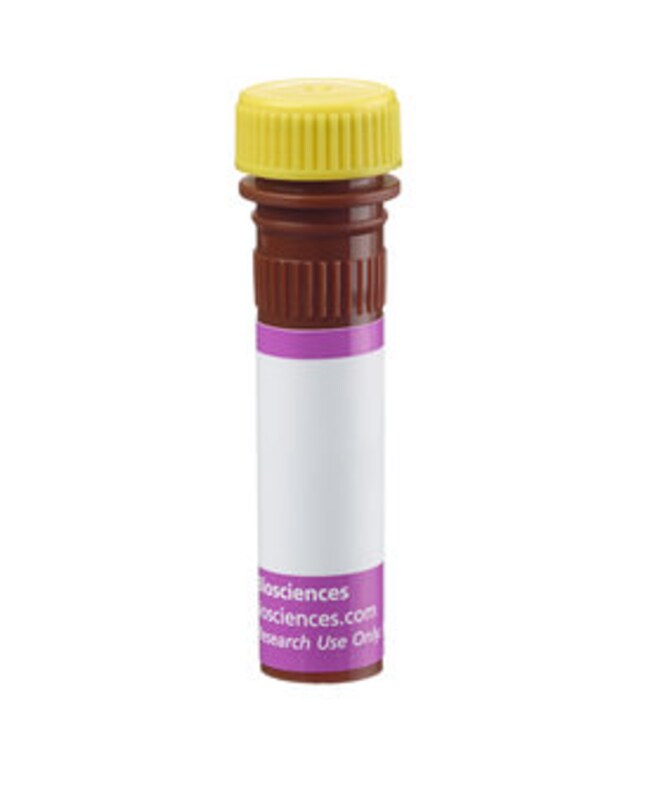
CD1d Mouse anti-Human, Brilliant Violet 650, Clone: CD1d42 (also known as 42.1), BD Optibuild™
Description
The CD1d42 monoclonal antibody recognizes CD1d. Cell surface CD1d is structurally homologous to Class I MHC molecules. It consists ofa glycosylated type I transmembrane α chain (43-49 kDa) that is non-covalently associated with β2-microglobulin. CD1d is a member of the CD1 family of molecules, which belong to the immunoglobulin superfamily. Sequence homology data classifies the CD1 molecules into two groups. Group 1 includes CD1a, CD1b andCD1c molecules; group 2 includes CD1d molecules and their homologs in other species. CD1d is expressed on cortical thymocytes, B cells, dendritic cells, monocytes, and some nonlymphoid cells including intestinal epithelial cells, hepatocytes and keratinocytes. It is not expressed on resting mature T cells. Studies suggest that CD1d participates in lipid antigen presentation to CD1d-restricted NKT cells

Specifications
Specifications
| Antígeno | CD1d |
| Clasificación | Monoclonal |
| Clon | CD1d42 (also known as 42.1) |
| Concentración | 0.2mg/mL |
| Conjugado | Brilliant Violet 650 |
| Formulación | Aqueous buffered solution containing ≤0.09% sodium azide. |
| Alias de gen | R3, R3G1, HMC class I antigen-like glycoprotein CD1D |
| Especie del huésped | Mouse |
| Inmunógeno | Human CD1d Recombinant Protein |
| Método de purificación | Affinity Purified |
| Show More |
By clicking Submit, you acknowledge that you may be contacted by Fisher Scientific in regards to the feedback you have provided in this form. We will not share your information for any other purposes. All contact information provided shall also be maintained in accordance with our Privacy Policy.