missing translation for 'onlineSavingsMsg'
Learn More
Learn More
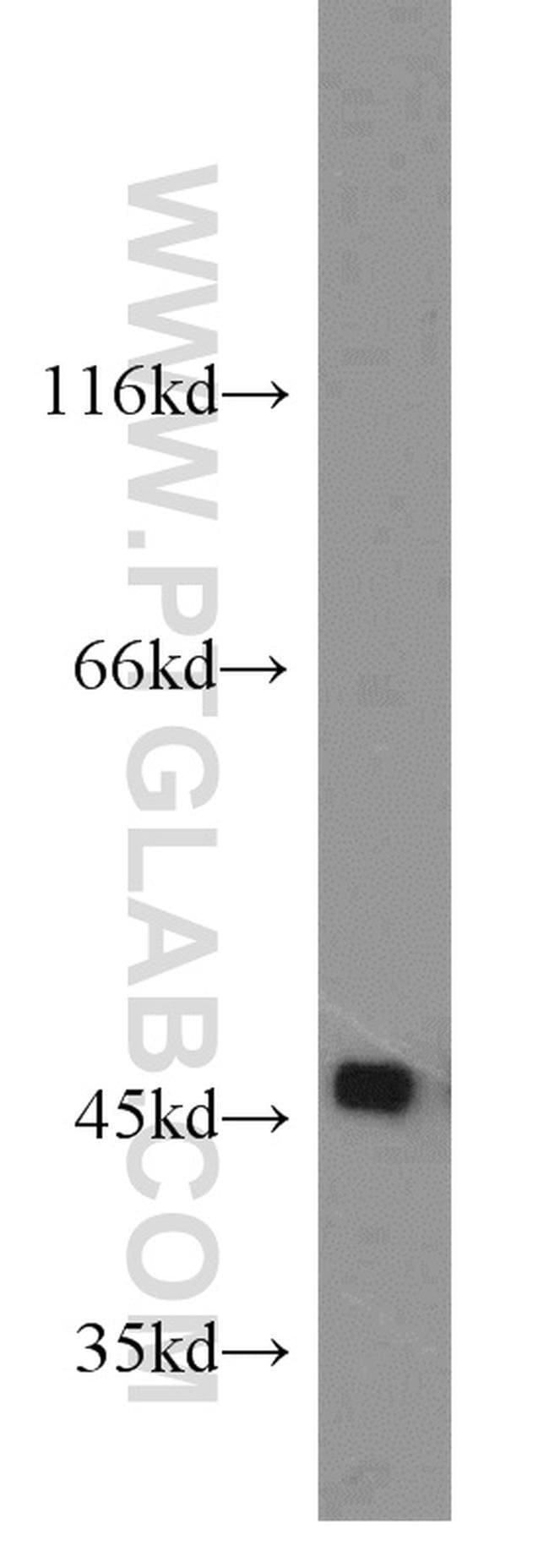
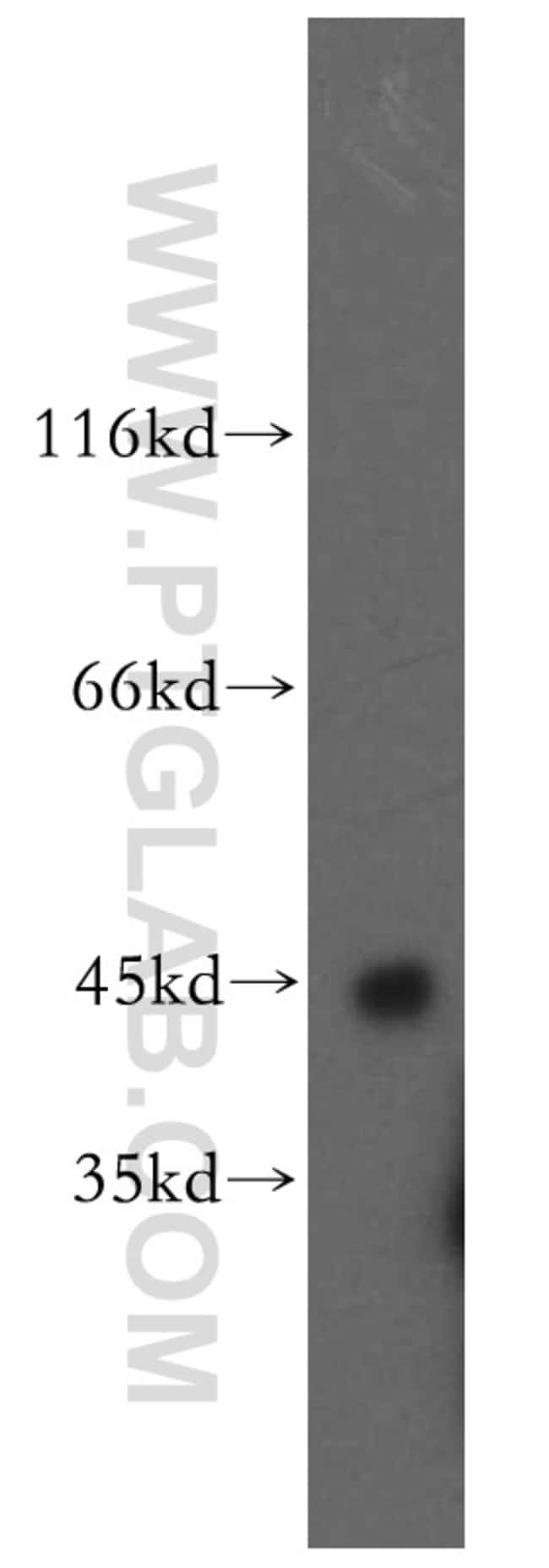
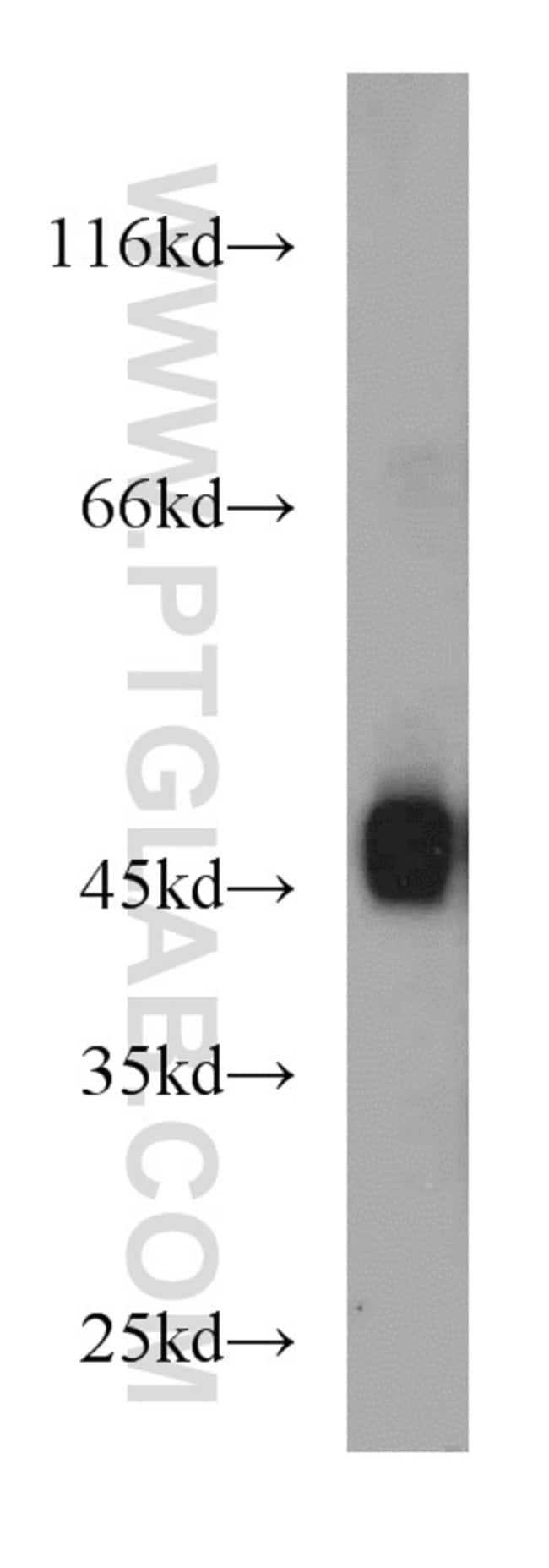
Descripción
Hyaluronidase degrades hyaluronic acid, a major structural proteoglycan found in extracellular matrices and basement membranes. Six members of the hyaluronidase family are clustered into two tightly linked groups on chromosome 3p21.3 and 7q31.3. This gene was previously referred to as HYAL1 and HYA1 and has since been assigned the official symbol SPAM1; another family member on chromosome 3p21.3 has been assigned HYAL1. This gene encodes a GPI-anchored enzyme located on the human sperm surface and inner acrosomal membrane. This multifunctional protein is a hyaluronidase that enables sperm to penetrate through the hyaluronic acid-rich cumulus cell layer surrounding the oocyte, a receptor that plays a role in hyaluronic acid induced cell signaling, and a receptor that is involved in sperm-zona pellucida adhesion. Abnormal expression of this gene in tumors has implicated this protein in degradation of basement membranes leading to tumor invasion and metastasis. Multiple transcript variants encoding different isoforms have been found for this gene.
Especificaciones
Especificaciones
| Antígeno | SPAM1 |
| Aplicaciones | Western Blot |
| Clasificación | Polyclonal |
| Concentración | 0.27 mg/mL |
| Conjugado | Unconjugated |
| Formulación | PBS with 50% glycerol and 0.1% sodium azide; pH 7.3 |
| génica | SPAM1 |
| N.º de referencia del gen | P38567 |
| Alias de gen | HYA1, Hyal PH20, HYAL1, HYAL3, HYAL5, Hyaluronidase PH 20, Hyaluronoglucosaminidase PH 20, PH 20, PH20, SPAG15, SPAM1, Sperm adhesion molecule 1, Sperm surface protein PH 20 |
| Símbolos de los genes | SPAM1 |
| Mostrar más |
Título del producto
Al hacer clic en Enviar, acepta que Fisher Scientific se ponga en contacto con usted en relación con los comentarios que ha proporcionado en este formulario. No compartiremos su información para ningún otro fin. Toda la información de contacto proporcionada se mantendrá de acuerdo con nuestra Política de Privacidad. Política de privacidad.
¿Detecta una oportunidad de mejora?