Learn More
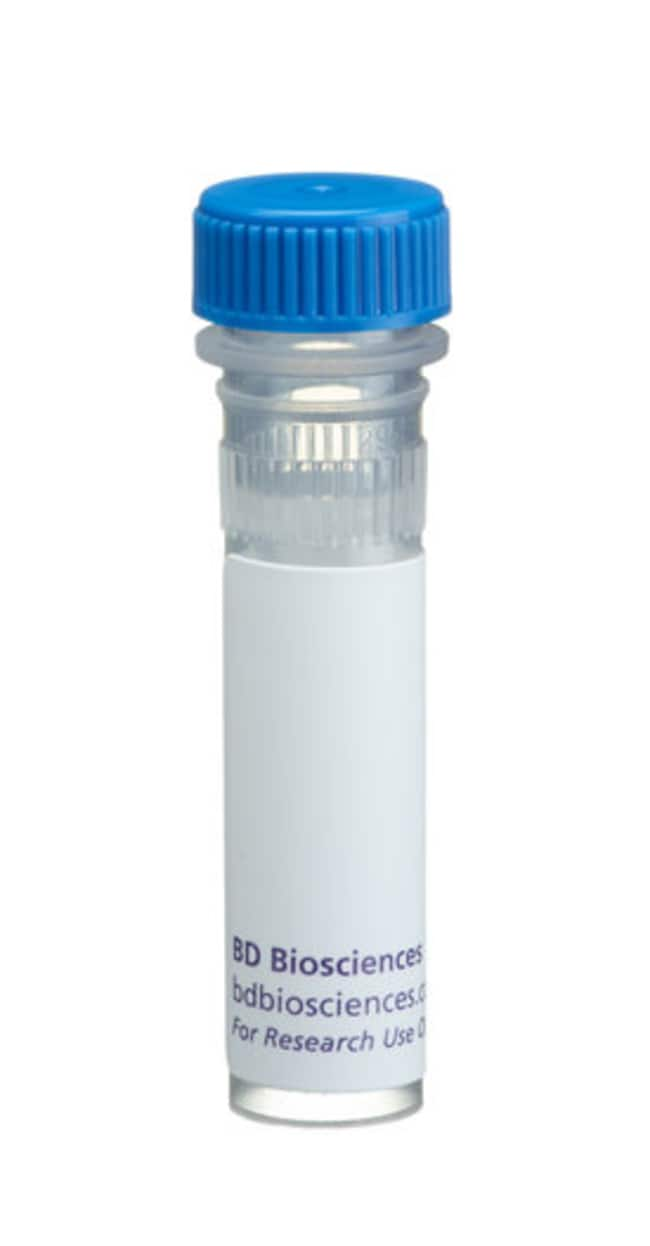

eIF-4E Mouse, Unlabeled, Clone: 87, BD
Descripción
The eukaryotic translation initiation factor 4E (eIF-4E) is a 25kDa phosphoprotein that specifically binds to the 7-methylguanosine-containing cap of mRNA. eIF-4E is the rate-limiting component for the initiation of cap-dependent translation by the eIF-4E translation initiation complex. This complex promotes the unwinding of secondary structure at the 5′ untranslated region of mRNA, which is necessary to expose and locate the AUG-initiation codon. Phosphorylation of eIF-4E on Ser-209 occurs after serum treatment in CHO cells, and may regulate its function. Overexpression of eIF-4E can lead to increased cell proliferation, transformation, and tumorigenesis in nude mice. The overexpression of a Ala-53 variant of eIF-4E cannot evoke these changes, suggesting that Ser-53 on eIF-4E participates in the transfer of mRNA to the 48S initiation complexes. In cooperation with nuclear oncogenes such as c-myc or E1A, eIF-4E transforms primary cells. Other studies have demonstrated that overexpression of eIF-4E causes activation of Ras and leads to a transformed phenotype. Subsequent overexpression of GAP then causes reversion of this phenotype. The mechanism by which eIF-4E plays a role in transformation is not clear, but it is postulated that high levels of eIF-4E may lead to the translation of mRNAs that are normally translationally repressed.
Host Species: Mouse
Clone: 87
Isotype: IgG1
Species Reactivity [for Features Main]: Human
Immunogen: Rabbit eIF-4E aa. 1-217
Immunofluorescence, Immunoprecipitation

Especificaciones
Especificaciones
| Antígeno | eIF-4E |
| Aplicaciones | Western Blot |
| Clasificación | Monoclonal |
| Clon | 87 |
| Concentración | 250μg/mL |
| Conjugado | Unconjugated |
| Formulación | Aqueous buffered solution containing BSA, glycerol, and ≤0.09% sodium azide. |
| Especie del huésped | Mouse |
| Inmunógeno | Aqueous buffered solution containing BSA, glycerol, and ≤0.09% sodium azide. |
| Método de purificación | Affinity Purified |
| Mostrar más |
For Research Use Only.
Al hacer clic en Enviar, acepta que Fisher Scientific se ponga en contacto con usted en relación con los comentarios que ha proporcionado en este formulario. No compartiremos su información para ningún otro fin. Toda la información de contacto proporcionada se mantendrá de acuerdo con nuestra Política de Privacidad. Política de privacidad.