Purr-Plexed No More: How Genes Explain Ginger Cats
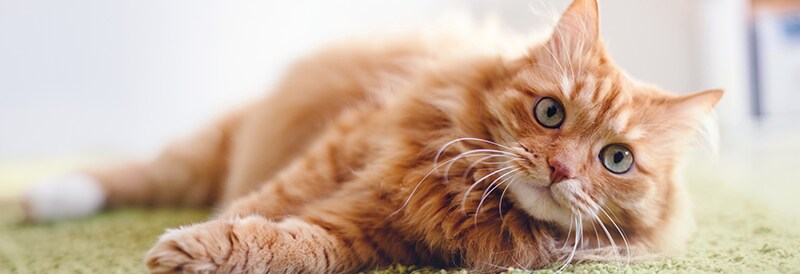
Ever wonder where orange cats get their ginger color and why they are typically male? Thanks to new research, scientists have finally uncovered the secret: a one-of-a-kind gene mutation found only in cats that flips their fur pigment to orange—and it lives on the X chromosome.
The mutation was discovered by two independent studies published in Current Biology. “Molecular and genetic characterization of sex-linked orange coat color in the domestic cat” was led by Christopher Bryan Kaelin at Stanford University and “A deletion at the X-linked ARHGAP36 gene locus is associated with the orange coloration of tortoiseshell and calico cats” was led by Hiro Sasaki at Kyushu University in Japan. The teams made the observations by analyzing deoxyribonucleic acid (DNA) samples from dozens of orange cats gathered by “cat lovers and community scientists,” according to the NPR article “The DNA secret behind orange cats.”
Ginger Genetics
Cats—like humans—with an X and a Y chromosome in their genetic profiles (a unique pattern of DNA variations) are considered male. The researchers found that if the mutation was present in the X chromosomes of the male cats in the studies, their coats were orange. It follows that for female cats, which have two X chromosomes (like female humans), the mutation would need to affect both X chromosomes in order for them to be fully ginger. Since there is a lesser probability of this occurring, it would explain why around 80% of orange cats end up being male.
The teams’ analyses also provided insights into how the mutation works. When a small gene sequence present in black- or brown-colored cats is absent, it activates another gene known as ARHGAP36. Not normally expressed in pigment cells, ARHGAP36 blocks the black-brownish pigment (eumelanin) from being produced, and reddish-orange pigment (pheomelanin) is made instead. Until now, ARHGAP36 has not been linked to pigmentation, according to the Gizmodo article “Orange You Glad We Finally Figured Out Why Some Cats Are Ginger.”
Scratching the Surface
Since sex-linked traits have not been found in other species, the study of orange cats “provided an opportunity to learn something new and potentially insightful,” Kaelin told Gizmodo. He also noted that his team found no evidence that the mutation affected any other cells or tissues in the cats’ bodies. Understanding how it could have such a specific effect on gene activity could provide a clearer picture of how mammalian genes are turned on and off in specific cell types, said Kaelin.
In the end, orange cats remind us that big science can come in small, furry packages. From a tiny missing snippet of DNA to a surprise pigment-switching gene, these ginger kitties have given researchers—and cat lovers alike—pawsibilities to consider.
Discussion Questions
- Why do you think orange cats are more often male than female, and how does the X chromosome help explain this?
- How can studying something familiar, like cats, help scientists learn new things about genetics and how genes work in animals (including humans)?